Zanzibar Wildlife Tours
Wild dolphins do not perform for anyone. They don’t wait for a whistle or a trainer’s cue. In Kizimkazi, they hunt, rest, and play on their own schedule, and for one quiet morning, you get to slip into their world instead of the other way around.
A Kizimkazi dolphin tour is Zanzibar’s most personal wildlife encounter. No tank, no show, just open water and a small wooden boat that follows the pods wherever the tide takes them that day.
Book it right and it becomes the story you tell for years. Book it with the wrong operator and you spend a rushed hour chasing a splash that never comes back. This guide covers exactly what happens on the boat, when to go, what it costs, and how to do it in a way that respects the dolphins as much as your holiday photos.

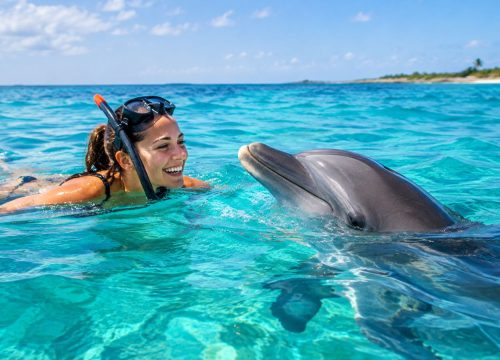
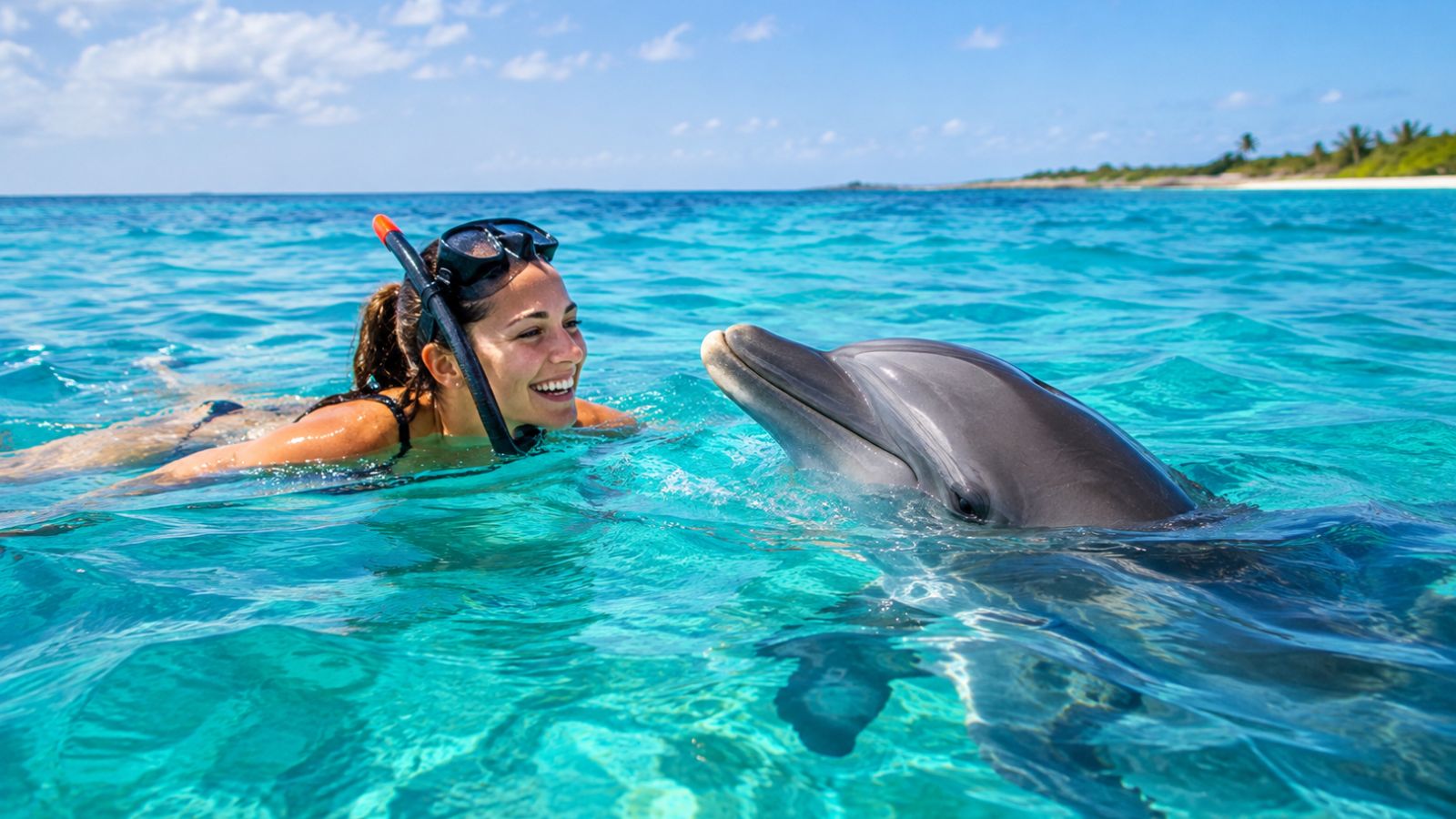
Bottlenose dolphins are the most commonly sighted species off Zanzibar’s coast.
What Is the Kizimkazi Dolphin Tour?
Kizimkazi is a fishing village on Zanzibar’s southern tip, roughly ninety minutes by road from Stone Town. Wild bottlenose and Indo-Pacific humpback dolphins gather in the shallow channel just offshore, drawn in by calm water and a steady food supply.
The tour itself stays simple by design. A small motorized boat leaves the beach at dawn, a local captain reads the surface for signs of a pod, and once dolphins are spotted, guests get the chance to snorkel or swim nearby if conditions allow.
Most trips run three to four hours as a half-day option, or stretch into a full day when paired with nearby stops. Either way, the whole experience centers on one thing: watching dolphins move freely through open ocean, on their terms.
Where Is Kizimkazi and Why Dolphins Gather Here
Menai Bay Conservation Area Explained
The waters around Kizimkazi sit inside the Menai Bay Conservation Area, a 420 square kilometer marine reserve established in 1997 to protect fish stocks and marine life along Zanzibar’s southern coast.
That protection matters more than it sounds. Calm, shallow water inside the reserve gives dolphins a safe place to nurse calves, rest between hunts, and socialize, which is exactly why pods return to this stretch of coastline day after day, year after year.
Bottlenose vs Humpback Dolphins: What You’ll Actually See
Two species share these waters. Bottlenose dolphins are the more frequent sight, often resident in the bay throughout the year. Indo-Pacific humpback dolphins appear too, though they’re shyer and their visits are far less predictable.
Both species travel in pods, so a single sighting can quickly turn into ten dolphins surfacing around your boat within minutes of each other.
What Happens on the Tour, Step-by-Step
Early Morning Pickup and Boat Departure
Hotel pickup usually starts between 6:00 and 7:00 in the morning. Dolphins feed and move closer to shore before the sun climbs, so an early start isn’t optional if you actually want to see them.
Hello Zanzibar Tours arranges transfer from Stone Town or from north and east coast hotels, so you’re on the beach and in the boat before the heat sets in and the pods scatter into deeper water.
Dolphin Spotting and Optional Swimming
Once at sea, the captain scans for fins and splashes, following the pod’s movement rather than chasing it head-on. Getting close is common. Swimming alongside dolphins depends entirely on their mood, the weather, and how the pod behaves that particular morning.
No honest operator can promise a swim. Anyone who does isn’t being straight with you.
Snorkeling and Reef Time
After dolphin watching, most tours stop at a nearby reef for snorkeling, giving guests a second highlight even on the rare morning when the dolphins stay distant.
Is It Ethical to Swim With Dolphins in Kizimkazi?
This is the question worth asking before you book, and the honest answer is that it depends entirely on the operator. Boats that crowd a single pod, cut off its swimming path, or chase it for a better photo cause real, measurable stress to wild animals.
How to Keep the Experience Respectful and Low-Impact
A responsible Kizimkazi dolphin tour keeps a respectful distance, limits how many boats approach one pod at a time, and never forces an encounter. If the dolphins move off, the right move is to let them go, not follow.
Watching from the boat is always an option, and often the better one. You still get an unforgettable view of wild dolphins in open water, without adding pressure to a population that already shares these shallows with dozens of boats a day in peak season.
What Are the Chances of Seeing Dolphins?
Sighting rates for a Kizimkazi dolphin tour typically land between 80 and 95 percent, depending on the season, the tide, and how early the boat leaves. Dawn departures see the highest success rate, since dolphins feed closer to shore before the water warms up.
| Time of Departure | Typical Sighting Rate | Why |
|---|---|---|
| Before 7:00 AM | 90%+ | Dolphins feed close to shore at first light |
| 7:00 AM to 9:00 AM | 75-85% | Pods start moving toward deeper channels |
| After 9:30 AM | Below 60% | Warmer surface water pushes pods further out |
No wild animal can ever be guaranteed. Anyone selling a 100 percent guarantee is selling a story, not a tour.
Kizimkazi Dolphin Tour vs Mnemba Dolphin Tour: Which Should You Choose
Zanzibar actually runs two distinct dolphin experiences, and they aren’t interchangeable. Kizimkazi sits on the south coast and focuses purely on wild dolphin watching inside Menai Bay. The Mnemba Island dolphin and snorkeling tour departs from the northeast coast and pairs dolphin spotting with some of the island’s best coral reef snorkeling.
| Feature | Kizimkazi Dolphin Tour | Mnemba Dolphin Tour |
|---|---|---|
| Coast | South | Northeast |
| Main focus | Dolphin watching, occasional swim | Dolphin spotting plus reef snorkeling |
| Best for | A dedicated dolphin encounter | A combined marine adventure day |
If dolphins are the entire reason for your trip, Kizimkazi is the sharper choice. If you want strong snorkeling alongside a chance at dolphins, Mnemba edges ahead.
Best Time for a Kizimkazi Dolphin Tour
June to October and December to February are Zanzibar’s dry seasons, when calmer seas and clearer water make dolphin spotting noticeably easier. Early departures, ideally before 7:30 AM, consistently produce the best sightings no matter the season.
Try to avoid the heaviest rain days in March, April, and May. Boats still run, but choppy water pushes dolphins toward deeper channels and makes snorkeling far less comfortable.

Most Kizimkazi tours end with a stop at a nearby reef for snorkeling.
What’s Included and What to Bring
Every Kizimkazi dolphin tour booked through us includes the essentials, so there are no surprise costs once you’re already on the beach.
- Hotel pickup and drop-off from Stone Town, the north coast, or the east coast
- Licensed local boat captain and English-speaking guide
- Boat transfer to the dolphin spotting area
- Snorkeling mask, snorkel, and fins
- Bottled drinking water
Pack light, but pack right:
- Swimwear and a towel
- Reef-safe sunscreen
- A hat and sunglasses
- A waterproof phone pouch or dry bag
- Closed water shoes or reef shoes for the beach entry
Combine Your Dolphin Tour With
Jozani Forest and the Red Colobus Monkey
Jozani Forest sits right on the road back from Kizimkazi, making it one of the easiest add-ons on the island. It’s Zanzibar’s only national park and home to the endangered Red Colobus Monkey, a species found almost nowhere else on earth.
Salaam Cave Sea Turtle Sanctuary
Several full-day itineraries pair the dolphin tour with a stop at Salaam Cave, where rescued sea turtles swim in a natural pool before eventually being released back to the ocean.
Kizimkazi Dimbani Mosque: Zanzibar’s Oldest Islamic Site
Kizimkazi isn’t only about wildlife. The village holds a 12th-century mosque, widely regarded as the oldest evidence of Islam anywhere in East Africa, with a carved inscription that predates most of Zanzibar’s written history. A short stop here adds real depth to a day otherwise spent entirely on the water.
Kizimkazi Dolphin Tour Price and Duration
| Tour Type | Duration | From |
|---|---|---|
| Half-Day Dolphin Tour | 3 to 4 hours | $40 to $55 per person |
| Full-Day Combo (Jozani, Salaam Cave, or Mosque) | 6 to 8 hours | Quoted on request |
Prices shift depending on group size, boat type, and whether you’d rather go private or join a shared departure. For an exact quote matched to your dates and hotel, message our team directly. Most guests get a same-day reply on WhatsApp.
How to Book Your Kizimkazi Dolphin Tour
Booking takes minutes, not phone calls. Send your travel dates and hotel name on WhatsApp, confirm the price and pickup time, and your morning on the water is locked in. No call center, no deposit games, just a straight answer from a local team who actually runs the boats.
Plan the Rest of Your Zanzibar Trip
A dolphin morning rarely stands alone on an itinerary. Many travelers pair it with an early Zanzibar airport transfer so the whole week runs on schedule, then spend a free afternoon on one of our other Zanzibar tours and excursions.
Staying longer? Zanzibar combines easily with a Tanzania safari, giving you beach mornings and Big Five afternoons within the same trip. Planning a wedding, retreat, or a larger group booking? Our team also handles events and meetings across the island.
Curious who’s actually behind these tours? Read more about us, or if you already have dates in mind, reach out through our contact page and we’ll build the day around you. You can also head back to our homepage to browse every tour and safari we run across Zanzibar.
Ready for Your Morning With Wild Dolphins?
Fixed pricing, hotel pickup, and a same-day WhatsApp reply. No hidden costs, no surprises on the beach.
Kizimkazi Dolphin Tour: Quick Answers
What is the best time for a Kizimkazi dolphin tour?
June to October and December to February bring the calmest seas. Within any season, departures before 7:30 AM consistently produce the best sightings.
How much does a Kizimkazi dolphin tour cost?
Half-day tours start around $40 to $55 per person. Full-day combinations with Jozani Forest or Salaam Cave are quoted based on your group size and preferences.
Can you actually swim with the dolphins?
Sometimes. Swimming depends on the pod’s behavior that morning and is never guaranteed. Watching from the boat is common and still delivers a close, memorable encounter.
Is the Kizimkazi dolphin tour ethical?
It can be, with the right operator. Look for boats that keep their distance, limit crowding around a single pod, and never force an encounter.
How long does the tour last?
The standard half-day tour runs three to four hours. Full-day versions combined with Jozani Forest or the Kizimkazi mosque run six to eight hours.
Kizimkazi or Mnemba, which dolphin tour is better?
Choose Kizimkazi if dolphins are your main priority. Choose Mnemba if you want strong reef snorkeling alongside a chance at spotting dolphins.
What should I bring on the tour?
Swimwear, a towel, reef-safe sunscreen, a hat, and a waterproof pouch for your phone. Snorkeling gear is provided.

Zanzibar Travel Safety Guide: Insurance, Tides, Health and Street Smarts

Mikumi vs Serengeti Safari: Which One Actually Deserves Your Days in 2026?